
SCIENCE TO THE STATION CONFERENCE
Science to the Station
CONFERENCE 2026
See you in Kansas City, MO
November 3rd-5th 2026!!!
THE PROGRAM AGENDA IS LIVE!
REGISTRATION IS OPEN!
REGISTRATION: $625
IMPORTANT DATES!
Full Refund for Registration Ends (minus a $50 processing fee): September 5, 2026
No registration refunds beginning: October 6, 2026
Host Hotel Hotel Reservation Cut Off Date: October 10, 2026
Cancellation Policy
We get it, life happens... Here’s how cancellations work for Science to the Station – Nerdstock 2026:
Can’t make it and the refund deadline has passed? You can always send someone in your place for free, just let us know at least a week ahead.
If something truly out of your control comes up, like a medical emergency or military deployment, reach out. We’ll do our best to work with you. And if we ever had to cancel (which we don’t plan on!), you’d get a full refund or have the option to roll your registration to new dates.

2026 CONFERENCE SPONSORSHIP OPPORTUNITIES
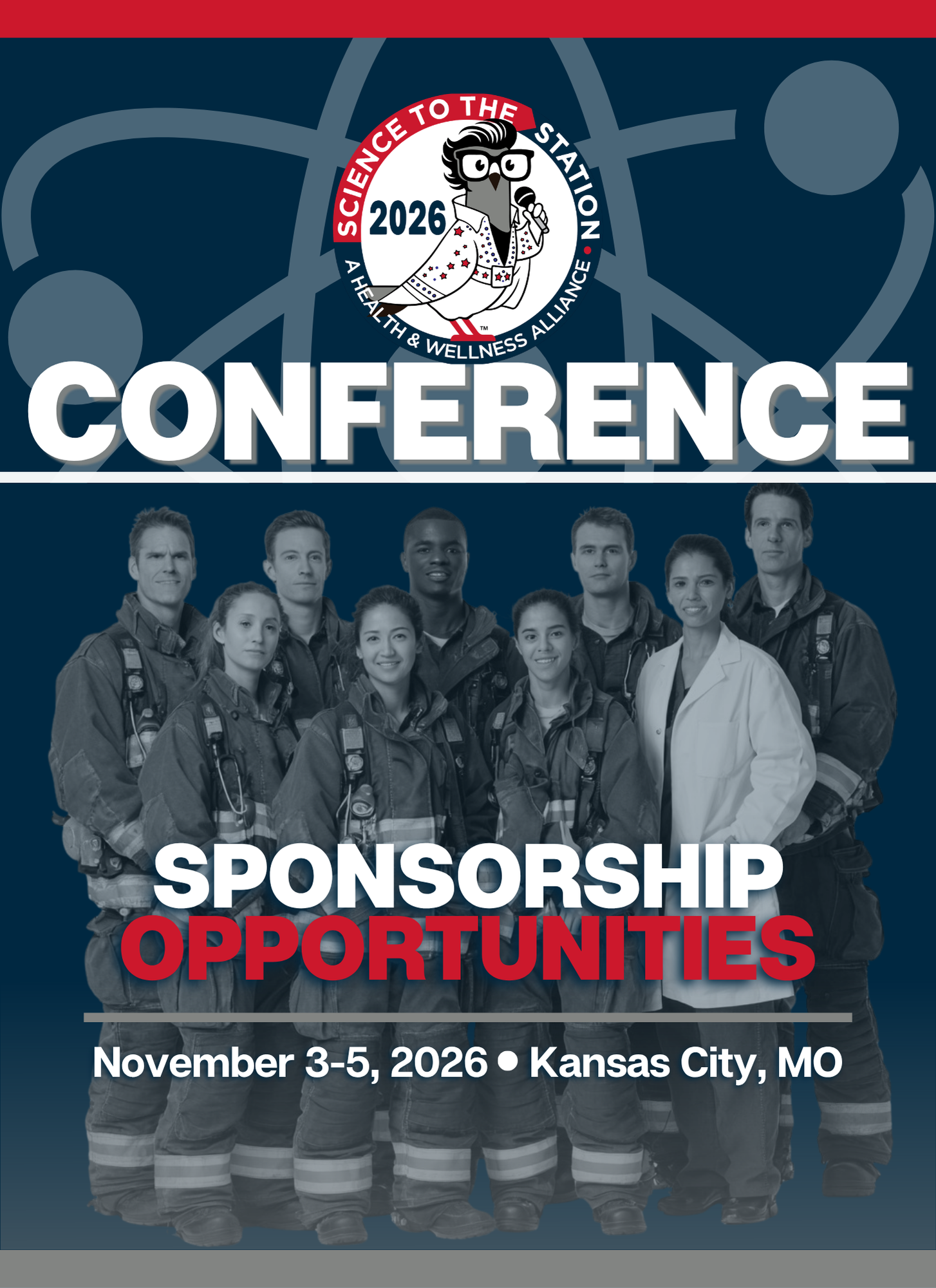
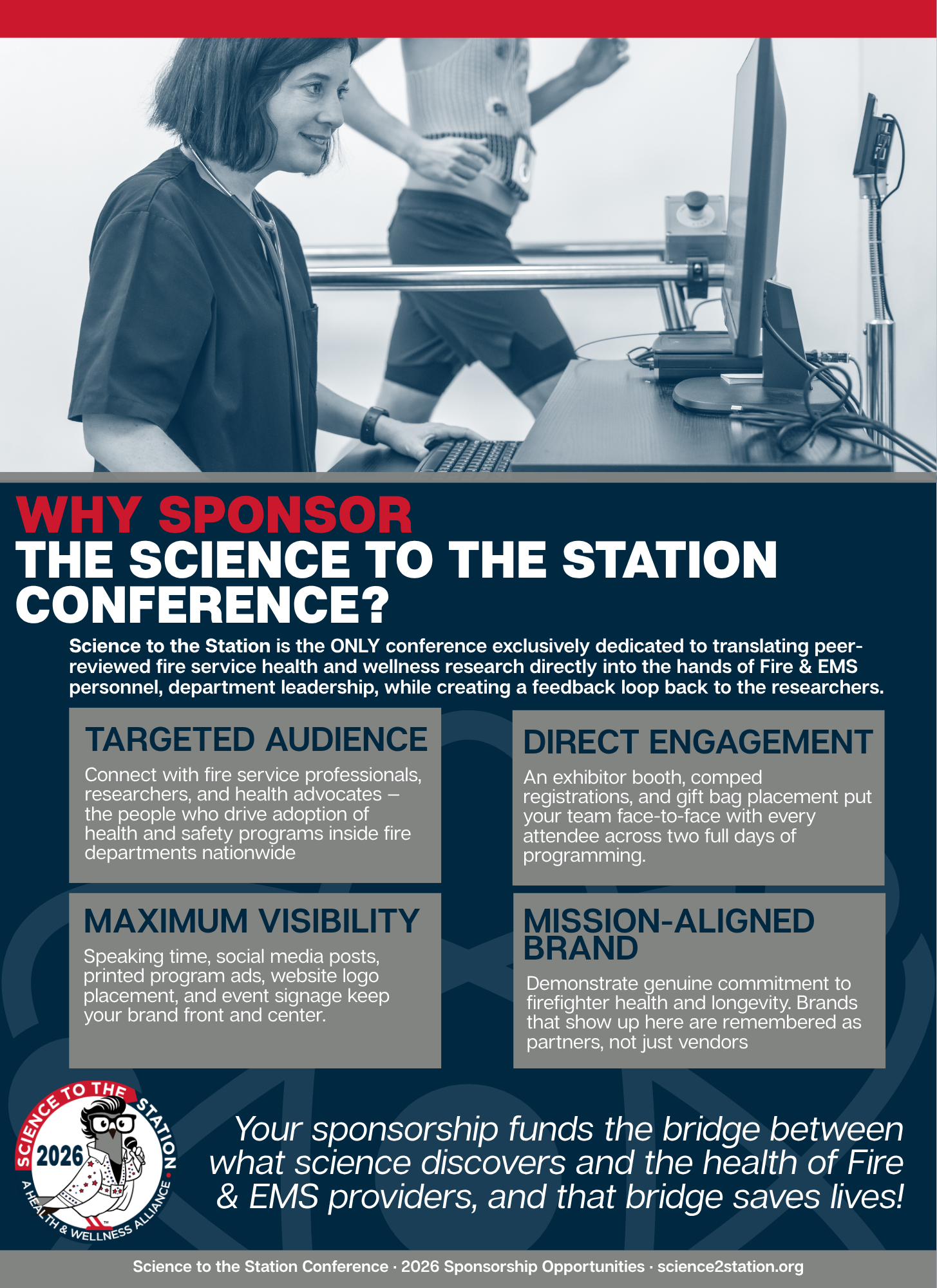
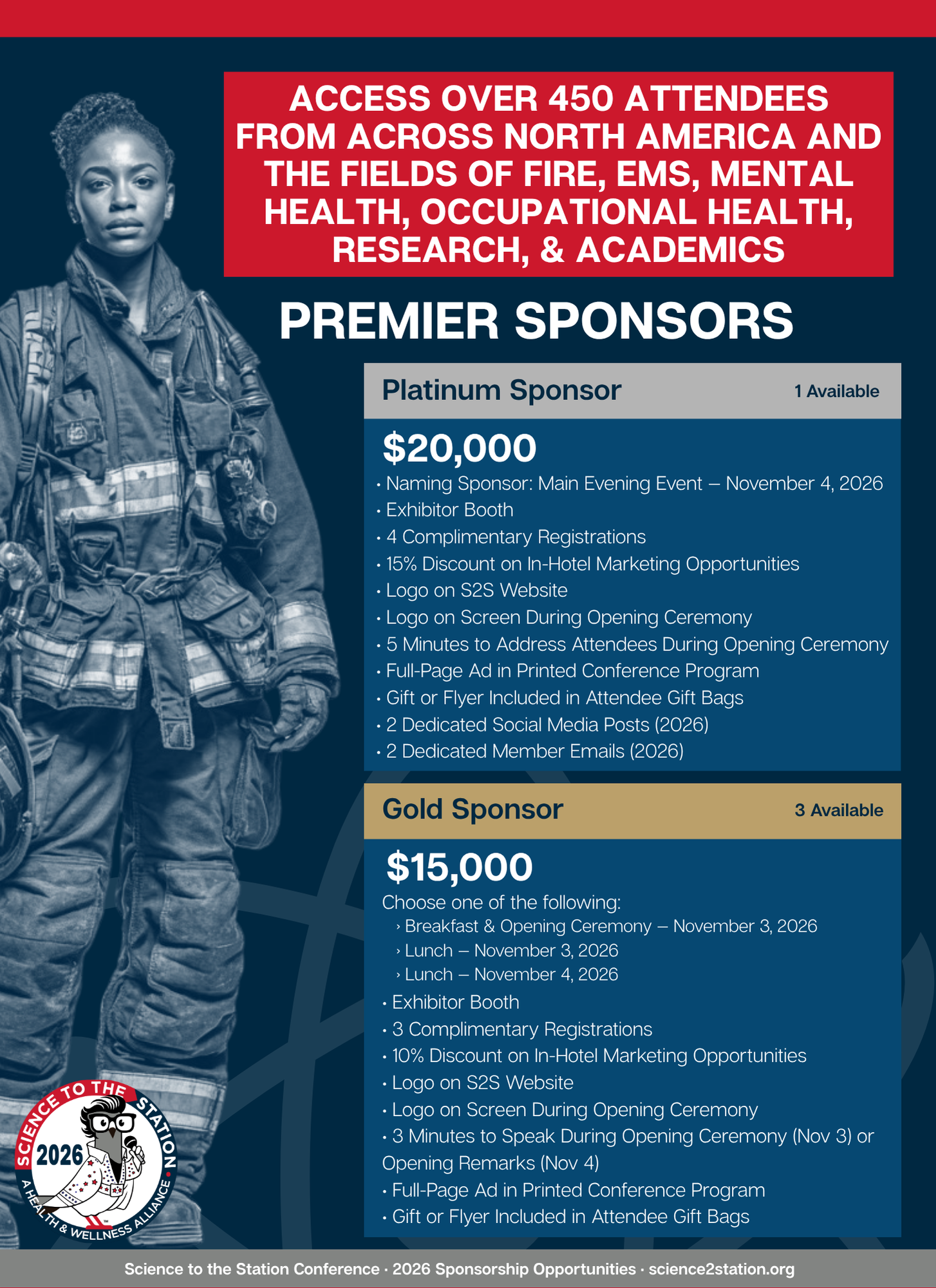
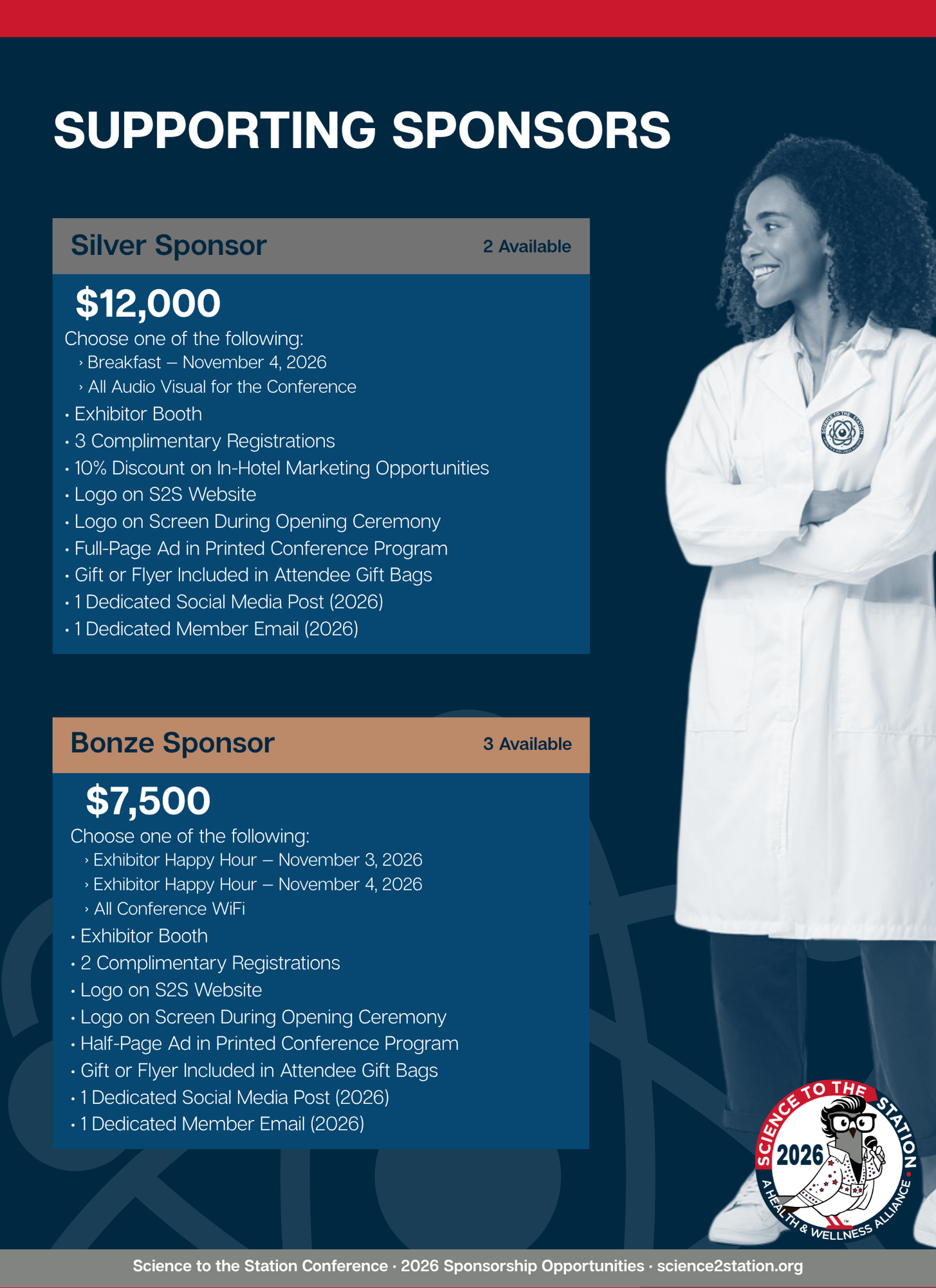
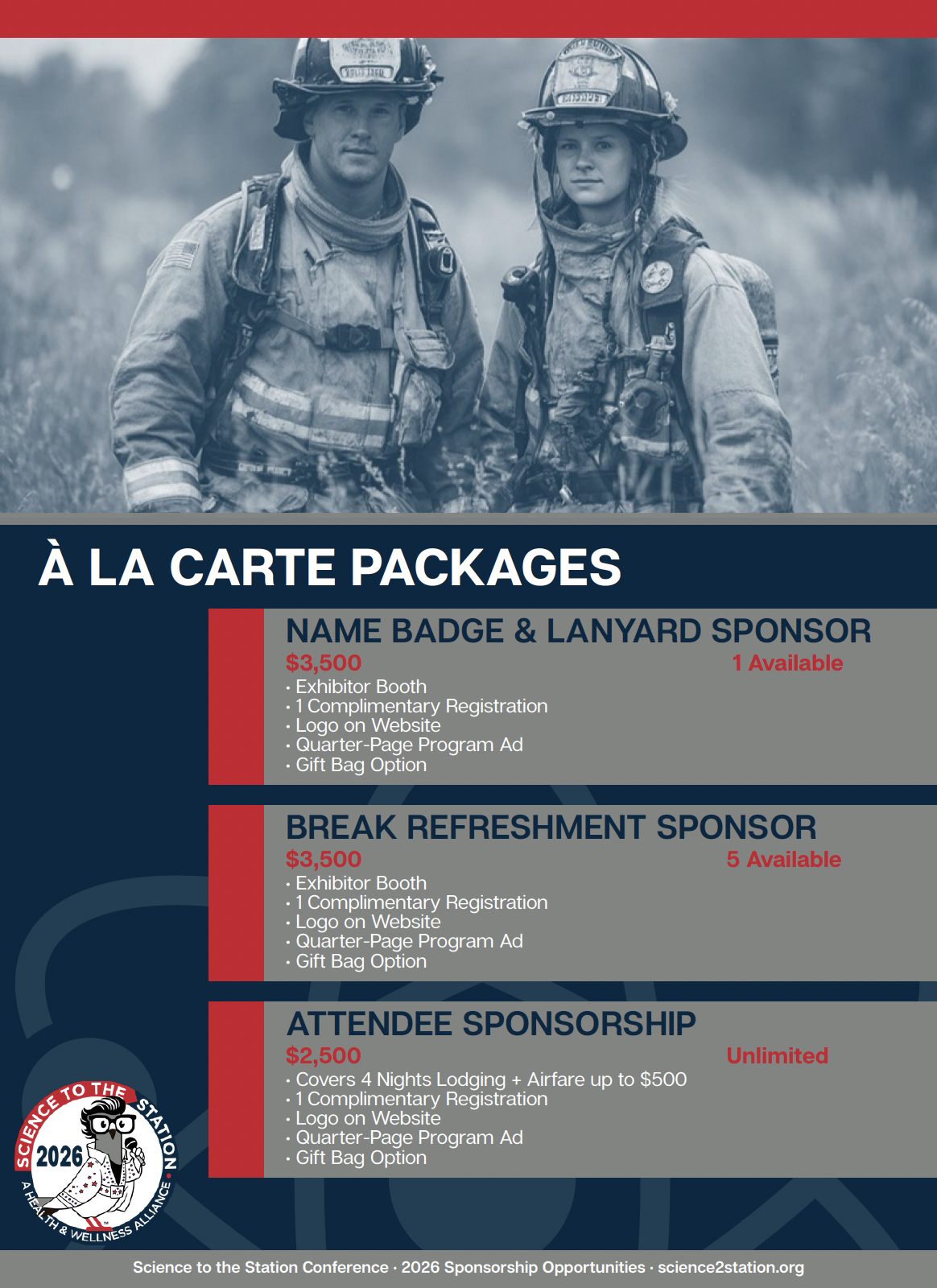
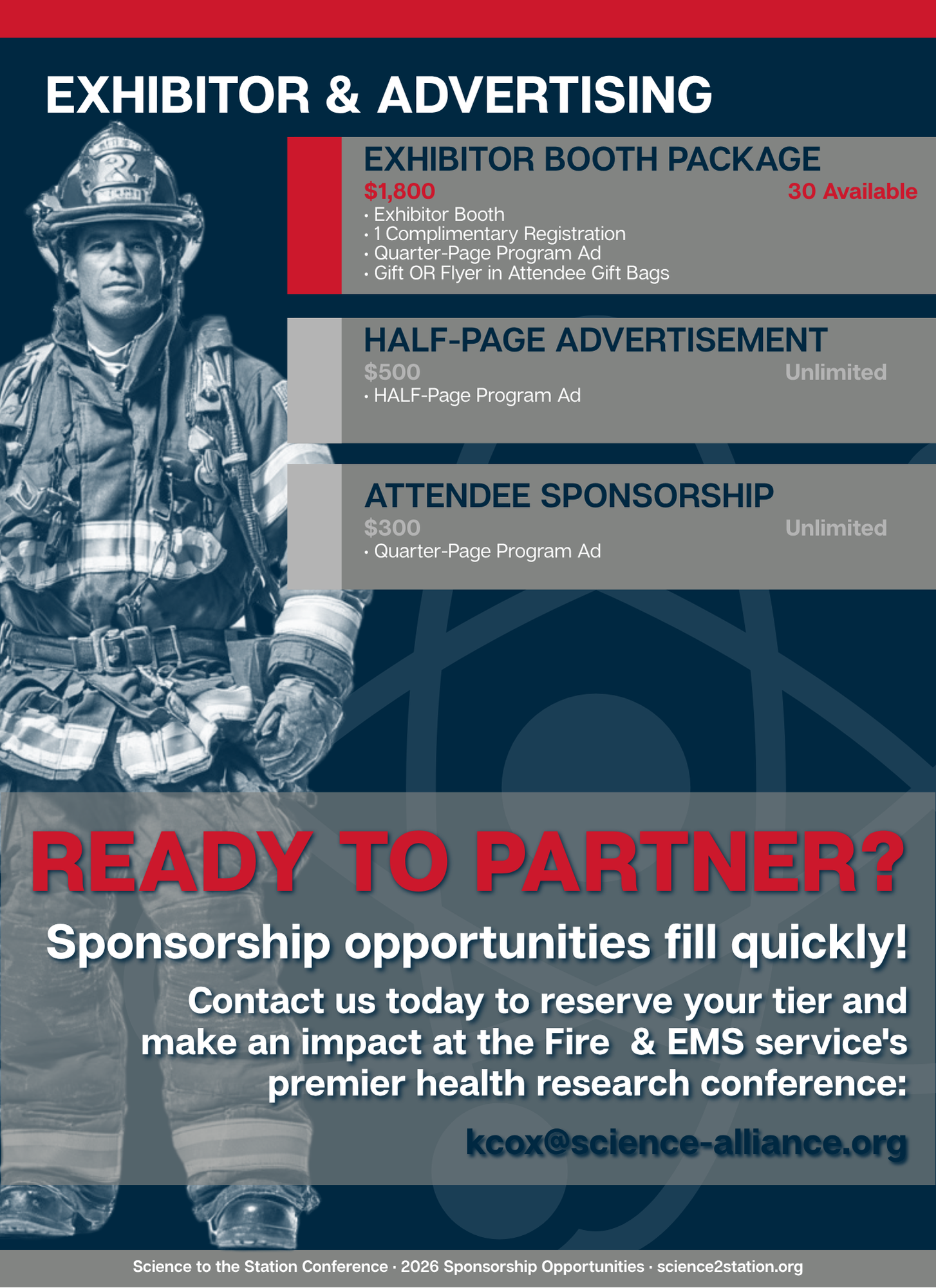
2026 SCIENCE TO THE STATION CONFERENCE SPONSORS
PLATINUM SPONSORS


SILVER LEVEL SPONSORS

BRONZE LEVEL SPONSORS

PARTNER SPONSORS


MEDIA PARTNER